Mobile Tyre Local

Call us

07731306351

Mon - Fri

07:00AM - 06:00PM

Mobile Tyre Pressure Check in Croydon, UK

Worn tread, low pressure, and unnoticed sidewall damage put your next drive at risk. Send us your location, and our fully certified mobile fitters will come straight to your door. Leave the tyre pressure check to us, we’re just a call away.

Tyre Checking Service When You Need It Most

Worried about the condition of your tyres? Bought a used car and want the tyres looked over? Heading off on a long drive and want a professional eye first? Whatever brought you here, our professional tyre check covers it all. 

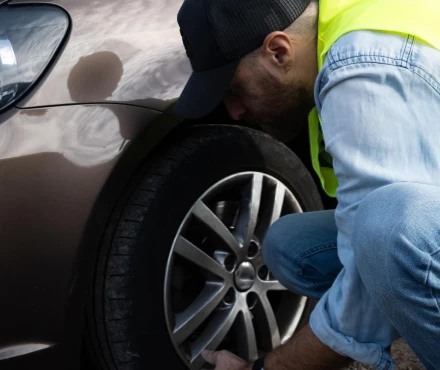
Call the nearest available fitter, and we will be sent straight to you. Mobile Tyre Local vehicles are already out across Croydon, with the kit needed to inspect any tyre on the road. The fitter handles tyre pressure checking and carries out a full inspection before giving you a clear update on the condition. 

Our tyre pressure check carries no obligation. If something needs attention, we explain what it is, why it matters, and give you the best option to fix it.

The Six Checks Behind Every Inspection We Carry Out

The same standard applies to every tyre, every vehicle, every visit. 

Tread Depth Measurement

Mobile Tyre Local measures tread at several points across the width of the tyre using a calibrated gauge. Anything near or below the 1.6mm legal limit is clearly flagged.

Sidewall and Surface Inspection

Sidewall damage rules out a repair entirely if it goes unnoticed. We inspect the full sidewall and surface of the tyre for cuts, bulges, cracking, and embedded debris.

TPMS Sensor Check

Where needed, we check the pressure-monitoring sensors for proper function. Any sensor that's failed or stopped reporting is flagged before we leave.

Tyre Pressure Check and Reset

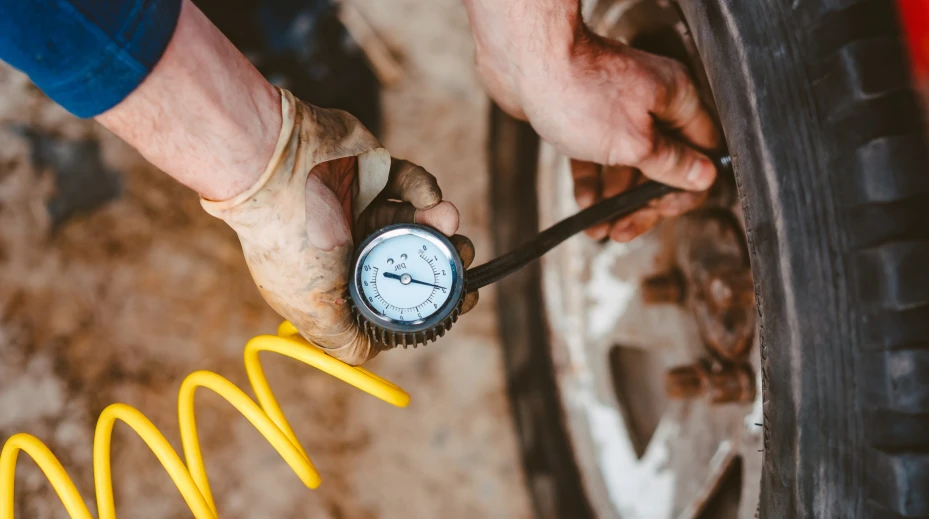
Incorrect pressure affects braking and handling long before it causes any visible damage. We check against your vehicle's manufacturer specifications and set every tyre to the correct pressure before leaving.

Valve Stem and Core Check

A worn valve core is one of the most common causes of slow pressure loss. We test the valve on the spot and replace any that are leaking or degraded.

Inspection Report

The visit ends with a clear summary covering the full set. Pass, monitor, or replace, you'll know the status of every tyre before we leave, and a written copy is available on request for your records.

When You Should Book A Tyre Check

Most drivers wait for a warning light or a problem they can hear. By that point, the tread has usually been telling a story for months. A few moments are worth booking a check around.

Before a Long Drive

Holiday trips, motorway runs, and long-distance work all put more pressure on tyres in a single day than a week of city driving. A check the day before catches the issues that wouldn't show up on a school run.

When the TPMS Light Comes On

A pressure warning light isn't always a slow puncture. It can be a worn valve, a failing sensor, or a temperature change. We check all three on the spot and reset the system once the cause is sorted.

Every Six Months As A Routine

Tread depth, pressure, and age are easy to overlook between services. A complete check every six months catches the slow problems early, before they turn into a replacement.

After a Pothole or Kerb Hit

Impact damage often hides inside the sidewall, where it can't be seen until the tyre comes off the rim. If a wheel has taken a serious knock, the safe call is to have it looked over before the next drive.

Buying or Selling a Used Car

Tyres tell you how a car has been driven and looked after. A pre-purchase check picks up uneven wear, age cracking, and mismatched sets that the seller may not have mentioned, with a clear written summary available for the negotiation.

Before an MOT

An MOT advisory on a tyre is a six-month warning that often runs out faster than expected. A check ahead of the MOT means no surprises on the day, and time to fit replacements properly rather than being rushed.

Simple 4-Step Tyre Check Process for Safer Driving in Croydon, UK

Step 1: Booking Confirmed

A real person takes your call, notes vehicle details and the tyre concern, then books a time that fits your day. Confirmation is shared straight away with the address and arrival time.

Step 2: Inspector Dispatched

A trained inspector is sent out with the required equipment and heads to your location. We reach you at the agreed time and begin the check without delay.

Step 3: On-Site Inspection

Tyres are inspected in sequence, with visible wear, damage, and safety concerns identified and highlighted during the process for full clarity.

Step 4: Clear Outcome

You get a clear tyre condition update marked as safe, needs attention, or replacement. No pressure to decide on the spot.

Tyre Inspection Stories Shared by Croydon Drivers

The Standard Behind Every Set We Fit

FAQs

In most cases, yes. If the puncture sits in the tread area, the hole is small, and the inside of the tyre is still in good condition, our fitters can carry out a full repair on the spot. A replacement is only needed when the damage is in the sidewall, the tear is too large, or the tyre has been driven on flat.
The simplest way is the 20p coin test. Place a 20p coin into the main tread groove, and if the outer band of the coin is visible, the tread is below the legal limit and the tyre needs replacing. Most tyres also have built-in wear indicators in the grooves, and if the tread is level with these indicators, the tyre has reached the 1.6mm legal minimum. 

The correct pressure is the figure listed on your car’s tyre placard, usually printed on the door jamb, fuel cap, or in the owner’s manual. The number on the sidewall is the maximum the tyre can take, not the right pressure for your vehicle. Pressure is best checked when the tyres are cold, and we set it correctly on every check.

A puncture can often be repaired if the damage is small and sits in the central tread area, on a tyre that’s otherwise in good condition. A new tyre is needed when the cut is in the sidewall, near the shoulder, or too large to seal safely. Our fitters will tell you straight which option applies before any work is done.

The most common signs are uneven or rapid tyre wear, the car pulling to one side, or a steering wheel that sits crooked when driving straight. These are flagged during a full inspection, and our team will explain what’s likely causing the wear and recommend the right next step.

Shopping cart close